Strategic design
Clarify the process, facility flow, order profile, integration touchpoints, and operating model before selecting the automation path.

Warehouse automation technology
Augmenting possibilities and empowering warehouse operations by connecting automation technology, execution software, SAP® processes, and practical fulfillment workflows.
Transforming warehouse automation needs
Design automation around the flow of work, not isolated equipment. SCMNEXX helps teams evaluate warehouse automation in the context of SAP execution, operational constraints, integration boundaries, exception handling, and long-term support. The technology scope spans warehouse execution, picking, packing, shipping, and outbound logistics.
Clarify the process, facility flow, order profile, integration touchpoints, and operating model before selecting the automation path.
Evaluate AMRs, pick-to-light, voice, goods-to-person, conveyor, sortation, packaging, labeling, and shipping automation where they fit the work.
Connect automation decisions with SAP, WES/WCS coordination, carrier workflows, operational data, and support responsibilities.
WES-WCS platform thinking
RDS™ WES-WCS is one warehouse execution and control platform referenced for coordinating automation, operators, inventory movement, order release, packing, shipping, and exceptions. Any recommendation requires current confirmation of product fit, vendor relationship, licensing, implementation responsibilities, integration, and support. The goal is not only faster movement, but better control of the complete fulfillment process.
Balance order release, picking, replenishment, packing, sortation, shipping, and exception handling across the full warehouse operation.
Connect warehouse execution with SAP, carrier systems, automation controls, reporting, and operational decision points.
Design automation patterns that can expand across channels, facilities, order profiles, and fulfillment complexity, then validate scalability and total cost against representative volumes and operating evidence.
Warehouse automation technologies
AMRs, pick modules, and goods-to-person systems should be evaluated against warehouse flow, storage, order profile, labor, safety, integration, exception, maintenance, and support needs. Performance must be measured under representative operating conditions.
Evaluate AMRs for batch-cart and mixed-case pick-to-pallet workflows against payload, aisle, safety, charging, task orchestration, operator handoff, exception, integration, and support requirements.
Design multi-level pick modules around product velocity, storage zones, replenishment, voice or light direction, confirmation, ergonomics, congestion, downstream flow, and measurable operating capacity.
Assess goods-to-person storage, retrieval, batching, workstation, sequencing, decant, exception, inventory-control, maintenance, and support needs against the actual SKU and order profile.
Beyond picking, automation must cover the flow of goods across the warehouse. Conveyor, material handling, AS/RS, packaging, and sortation technologies need to work together with warehouse execution rules and SAP process integration.
Movement
Robust controls for efficient movement of goods through receiving, picking, packing, sortation, and outbound staging.
Flow
Coordinated material movement across equipment, work zones, exception points, and warehouse execution processes.
Storage
Automated storage and retrieval capabilities that improve density, retrieval consistency, and controlled inventory access.
Packaging
Automation patterns for carton preparation, packing verification, inserts, labeling, and shipment documentation.
Routing
Sortation logic that routes orders, cartons, or parcels by destination, carrier, service level, and operational priority.
Accelerated success through automation
Improve fulfillment flow by reducing avoidable travel, touches, and handoffs. Integrated warehouse execution can simplify onboarding, improve consistency, and create a clearer path to operational value when automation is matched to the process and facility constraints. Cost, labor, throughput, and payback effects must be validated rather than assumed.
Picking
Reduce avoidable travel and improve consistency with AMR-assisted, goods-to-person, batch, and directed-picking workflows.
Throughput
Coordinate order release, voice-directed work, pick modules, and confirmation methods around real warehouse constraints.
Scale
Build automation patterns that can adapt as SKU mix, order profile, labor model, and service expectations change.
Automated order picking
Enhance order fulfillment speed and accuracy with directed picking workflows. Automated picking solutions should optimize how work is released, assigned, confirmed, consolidated, and handed off to downstream packing and shipping activity. Any rate, accuracy, or throughput improvement requires representative measurement.
Use wearable devices, hands-free scanning, and directed tasks to support faster execution while keeping operators focused on the work.
Guide high-velocity zones with visual confirmation, sort-by-light, and order-consolidation workflows where speed and accuracy matter.
Process multiple orders together to reduce travel, improve labor utilization, and support controlled downstream sortation.
Coordinate people, robots, inventory locations, and task assignment to reduce walking and stabilize pick execution.
Automated packing and shipping
Control outbound quality from carton selection through final label and carrier handoff. Automated packing and shipping capabilities should improve accuracy, reduce manual touches, and give teams better control over customer-facing fulfillment steps. Labor, speed, and customer-experience effects depend on the implemented flow.
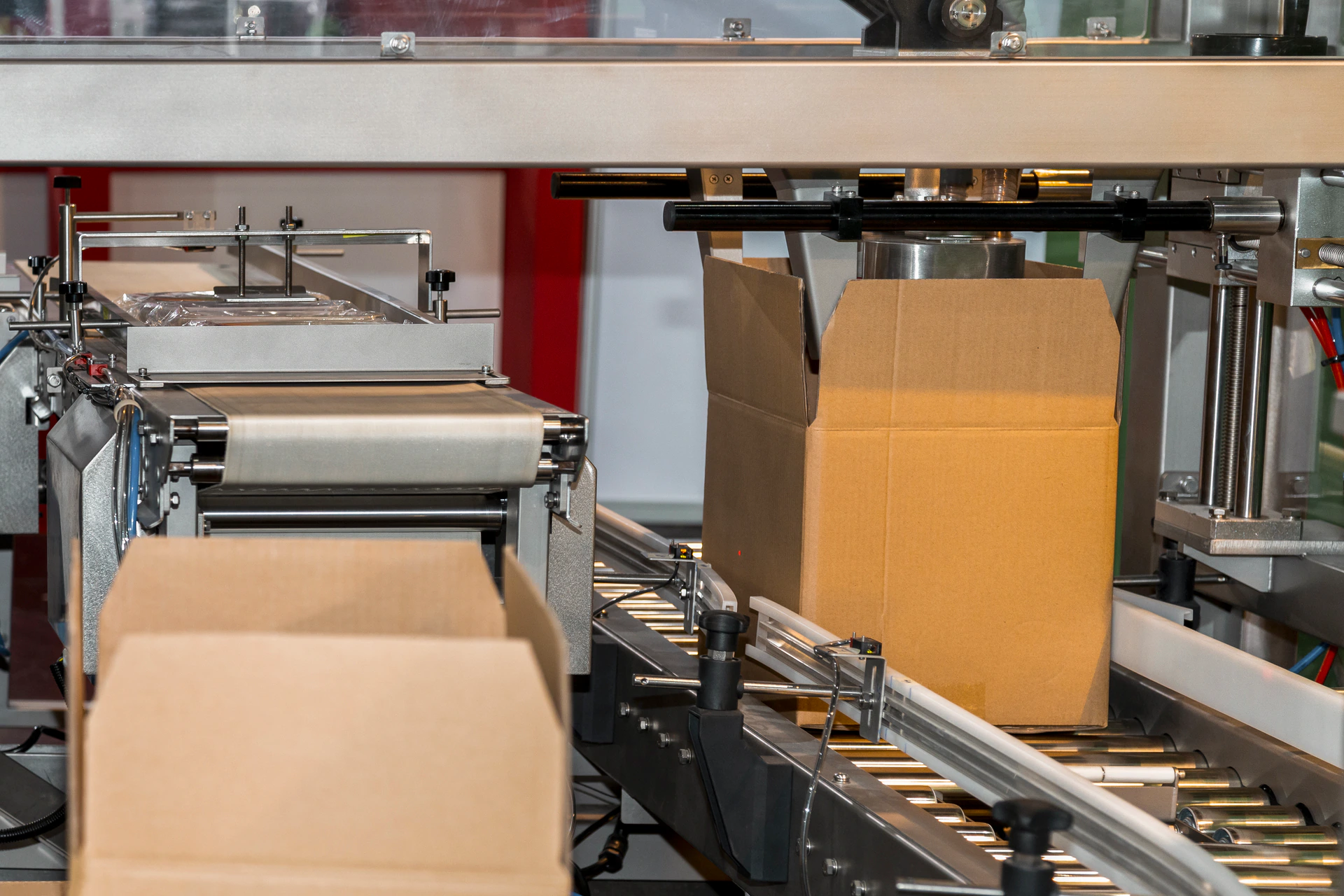
Packing
Automate repetitive packaging tasks while preserving quality checks, order validation, and exception handling.
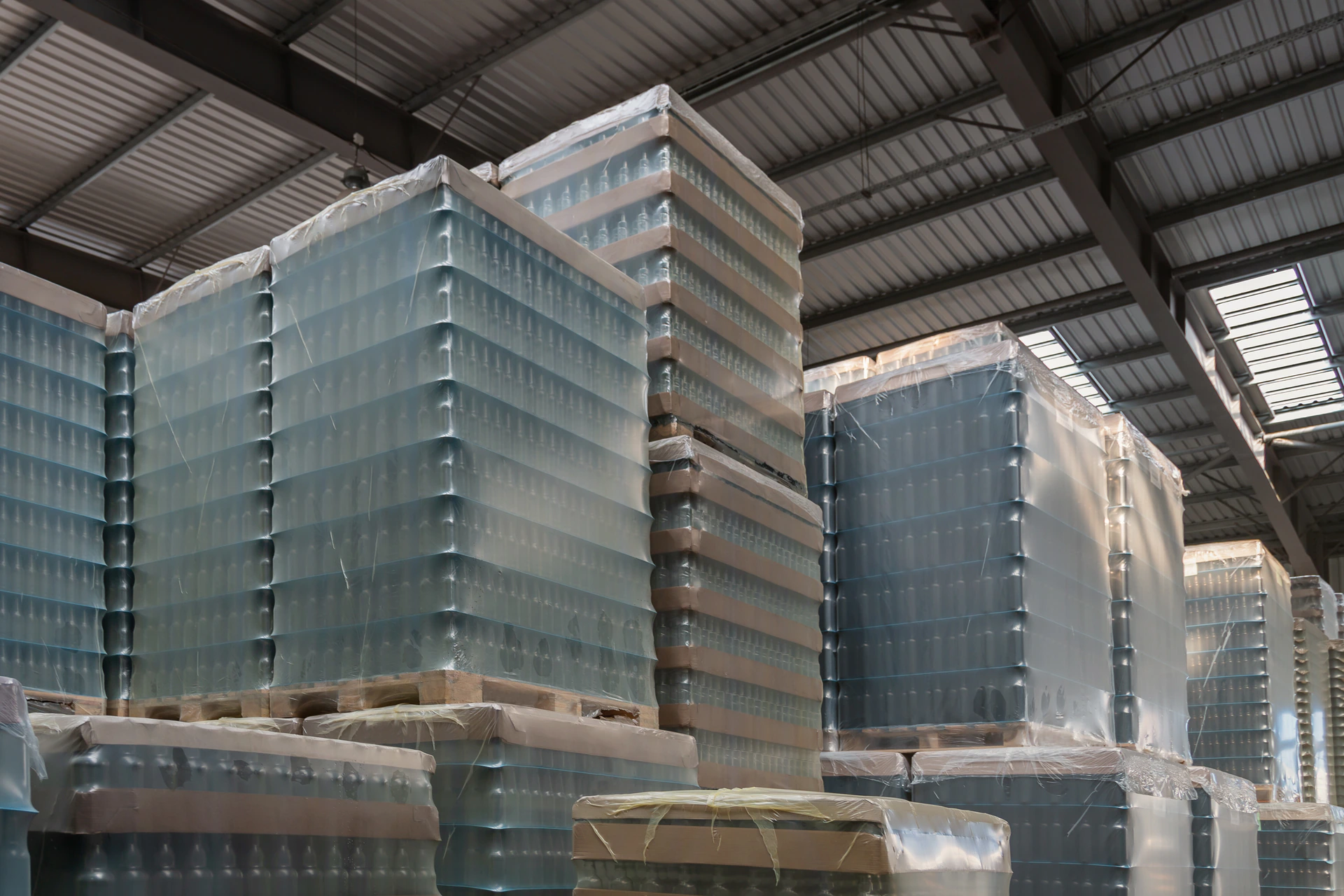
Carton logic
Optimize carton selection and packing rules based on item attributes, order contents, service levels, and shipping constraints.

Documents
Automate packing slips, inserts, and documentation where order requirements or customer communication need consistency.

Labels
Automate shipping label print and application steps to reduce manual touches and improve carrier handoff quality.
Advanced outbound logistics
Streamline the final stages of fulfillment by coordinating validation, packing, manifesting, sortation, trailer loading, carrier handoff, and shipment confirmation as one connected flow.
Pack and ship
Coordinate void fill, packing documentation, sealing, and shipment preparation through rules-based outbound workflows.
Validation
Capture scan, weight, dimension, and image data to support order validation, dimensional weight, and shipping accuracy.
Manifesting
Generate manifests and route cartons or parcels by destination, service, carrier, and loading requirements.
Loading
Divert shipping containers by carrier or destination so outbound loading aligns with the fulfillment plan.
Plan automation around operations